57% of supply chain professionals say lack of visibility is their biggest operational challenge, which is why real-time carrier visibility has become non negotiable for brands that care about customer experience and operational control.
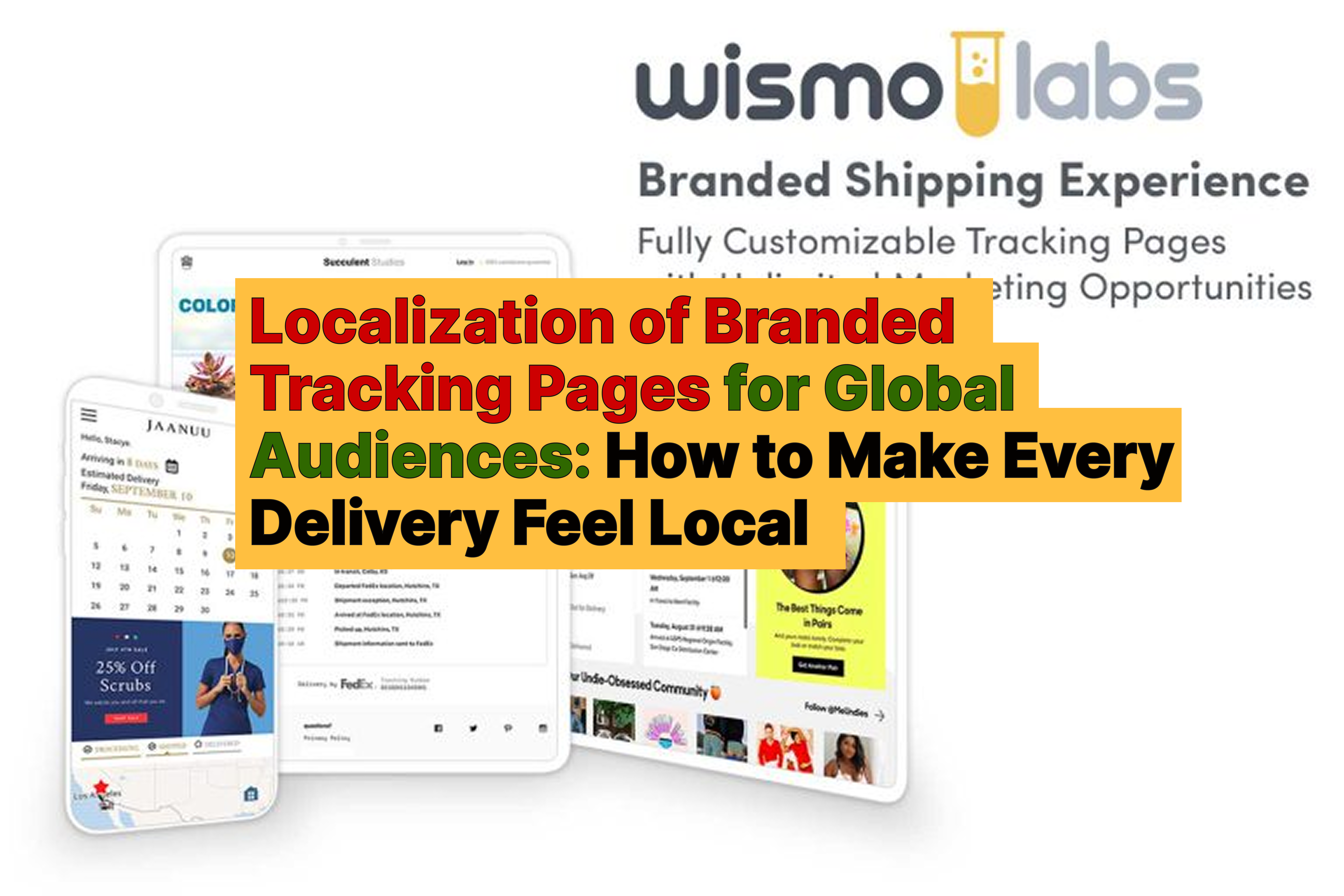
Global customers expect order updates in their own language, time zone, and context, no matter where your warehouse is. When we localize our branded tracking pages, we reduce confusion, cut WISMO contacts, and turn delivery updates into a reliable, revenue-generating experience worldwide.
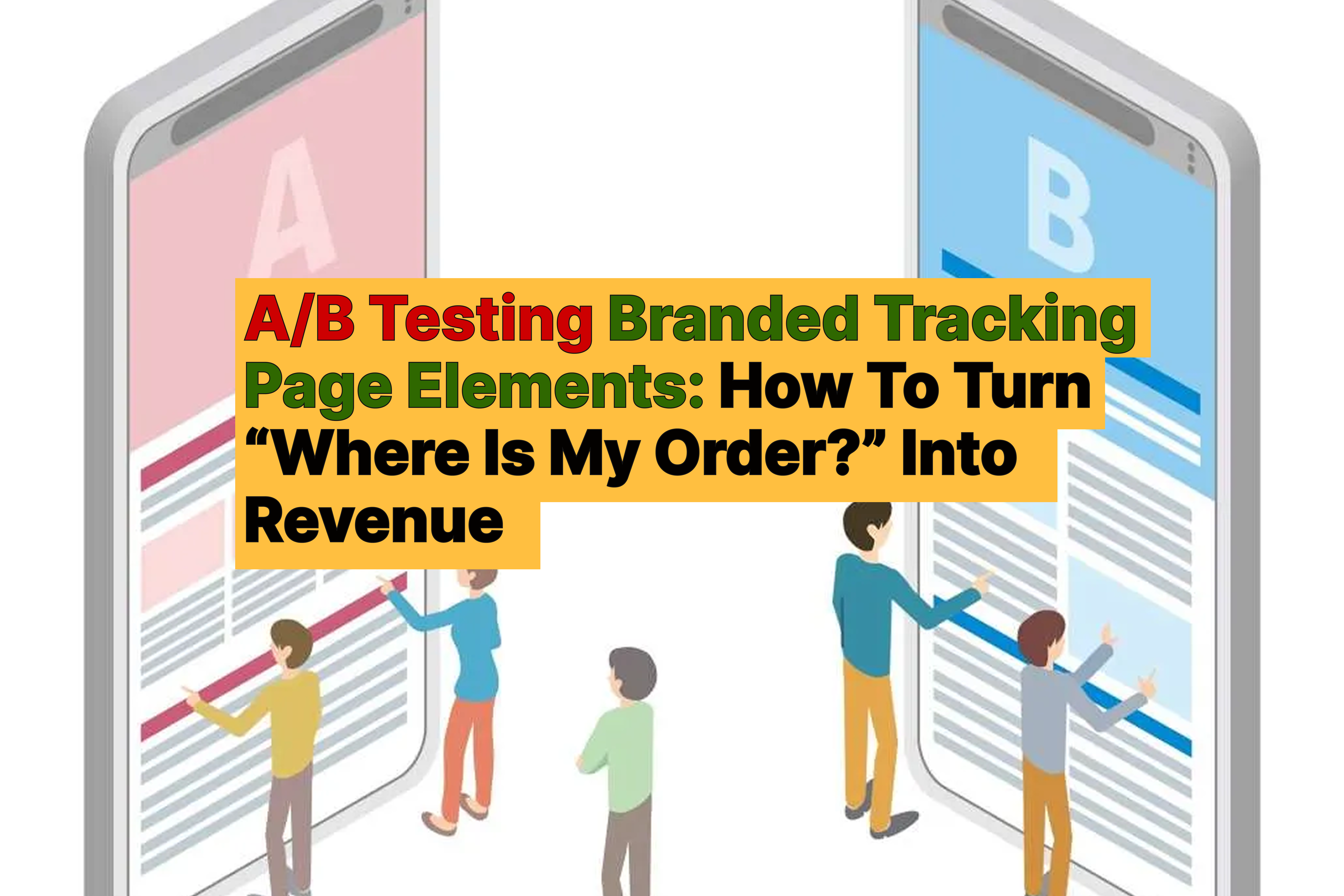
Only 1 in 8 A/B tests lead to a statistically significant change, which is exactly why a structured approach to A/B testing branded tracking page elements matters so much.
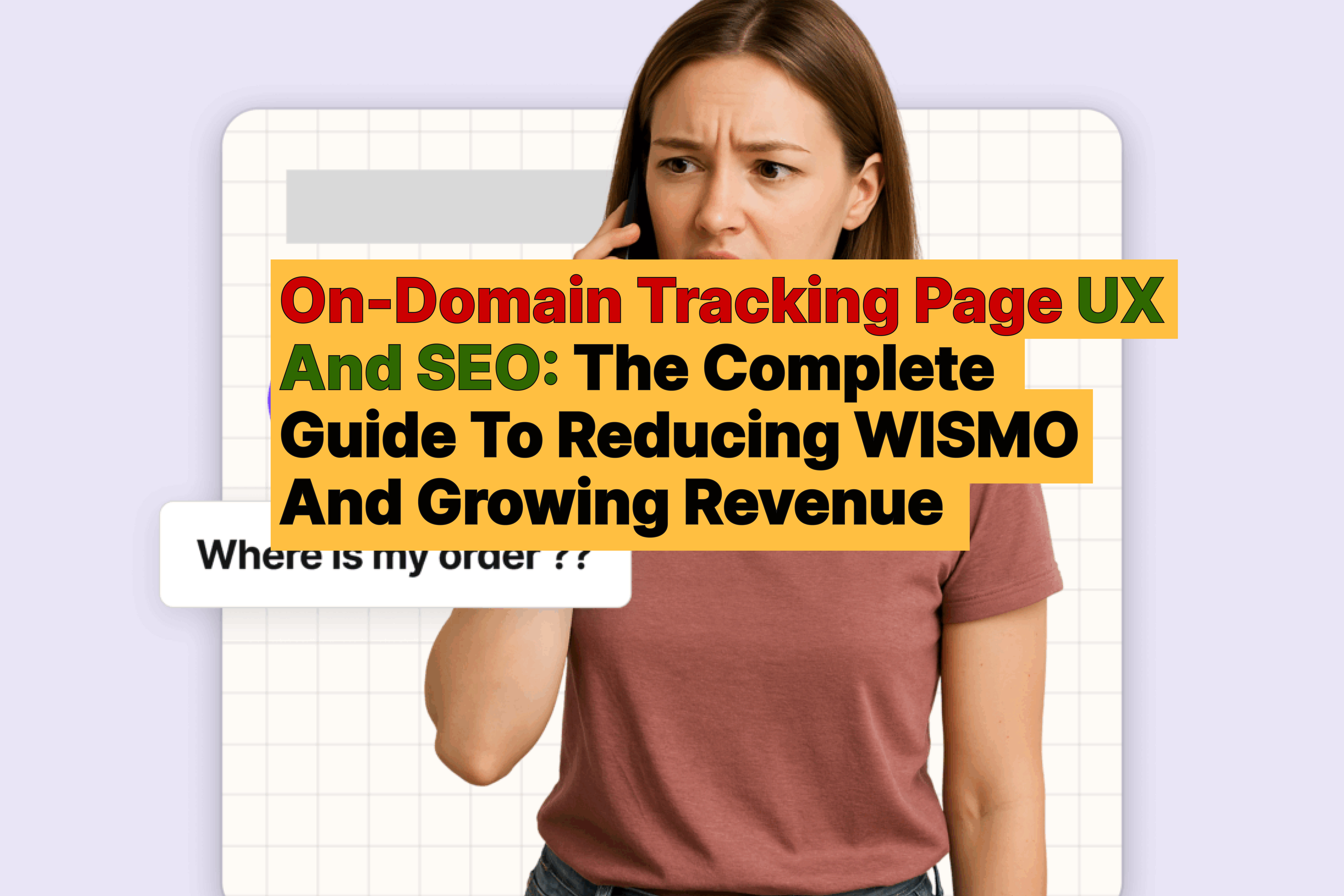
51.0% of sites currently deliver a good overall page experience, which means almost half of all brands still leave money and customer satisfaction on the table with slow, confusing, or off-domain tracking flows.
66% of online shoppers feel anxious after clicking “Buy”, so if we are not rigorously measuring post-purchase performance with the right CX metrics, we are leaving loyalty, revenue, and support costs to chance.
Customers now move fluidly between email, SMS, tracking pages, and support, and 77% of omnichannel consumers use 3–4 channels with nearly a quarter using 5 or more. If those touchpoints do not line up after checkout, even a great product can feel like a bad experience.
66% of online shoppers feel anxious after clicking “Buy”, which means your post-purchase experience now carries as much weight as your product detail page. Real-time shipment tracking is no longer a nice-to-have for ecommerce brands, it is the core of a trustworthy delivery experience. When customers can see accurate status updates, clear ETAs, and branded tracking in one place, they stop asking “Where is my order?” and start feeling confident in your brand. In this guide, we walk through what the best real-time shipment tracking looks like and how WISMOlabs helps brands own the delivery moment from cart to doorstep.
Returns are no longer a side task for ecommerce teams. With returns projected to reach about 15.8% of annual retail sales, or roughly $849.9 billion in value, the way we manage returns can quietly decide our margins, our customer happiness, and our ability to grow. The best return automation for ecommerce stores does more than print labels, it protects revenue, calms anxious shoppers, and creates a branded, predictable experience from the moment a customer thinks “I might send this back.”
Only 24% of businesses have visibility into 75–100% of their total shipments, which means three out of four brands still ship into a blind spot somewhere in
88% of users will not return to a site with poor UX, which means a fragmented or generic carrier tracking experience can quietly erode trust, loyalty, and
Only 24% of brands have visibility into at least three quarters of their shipments, while 45% see less than half of what is happening in transit. For DTC